- You may not have been trained for this. But you are not alone.
- You've been winging it, and the kids know it, and you know it, and you still show up every week.
- You do not need a different personality. You need a framework you can actually carry into the gym.
For youth basketball coaches grades 1-8
Coming Soon - Summer 2026
You said yes. You grabbed the clipboard. Now what?
The most important coaching in the game is happening in gyms where no one is watching. This book is for the coach trying to do right by kids on a Tuesday night with limited time, uneven talent, and no real framework to lean on.
Teach
The
Game
A coaching philosophy for the people teaching effort, joy, and growth long before anyone starts
counting wins, scholarships, or banners.
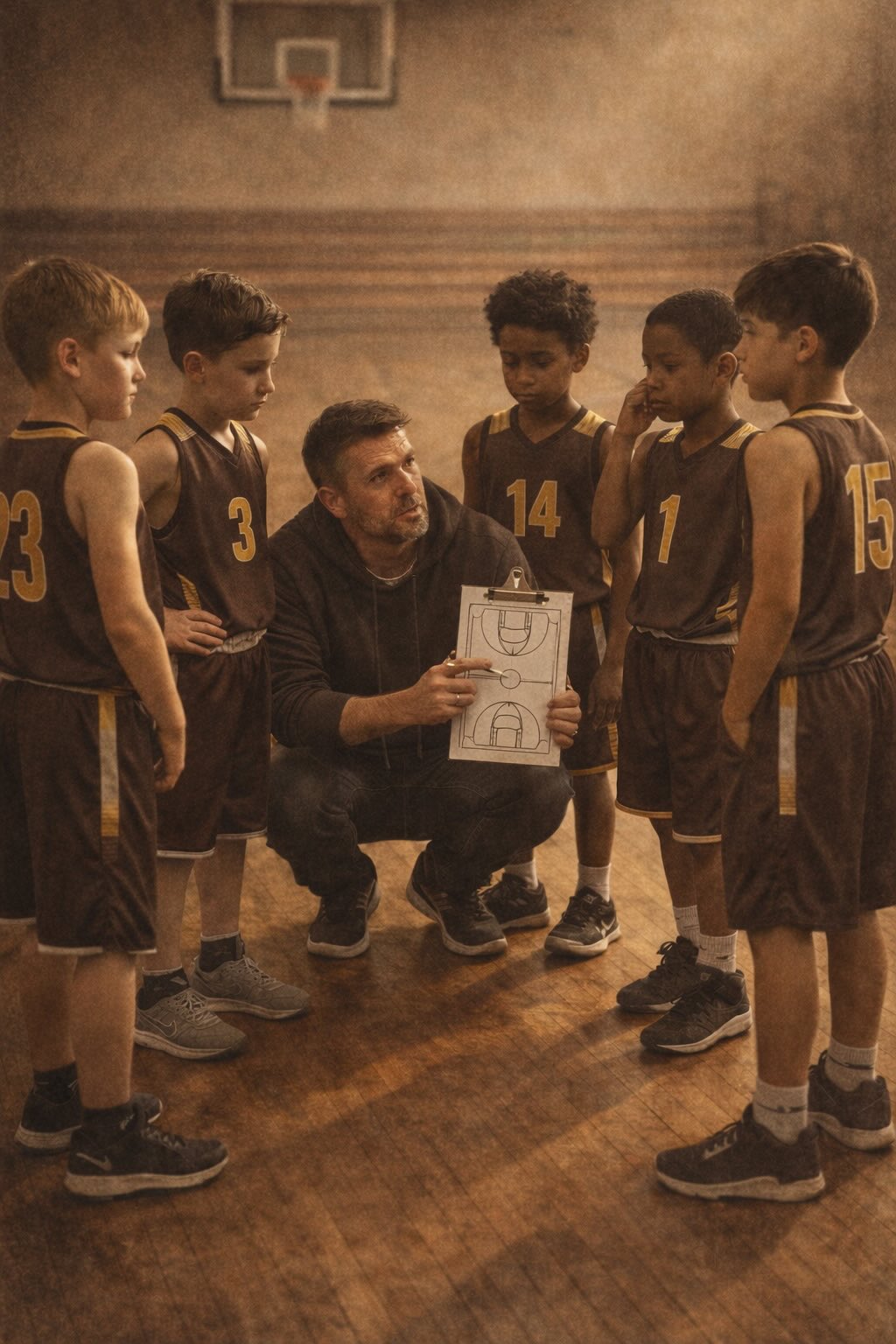
The Crouch
This image says what the whole book says: get to their level first. The game can wait. You're here
for something bigger.
They should feel seen before they feel sold.
You're not a professional coach. Your job is harder: a person who loves basketball and cares about kids. And you're trying to figure out how to put both of those things together on a Tuesday night with ten players, a half dozen basketballs, seventy-five minutes of practice, and some beautiful chaos.
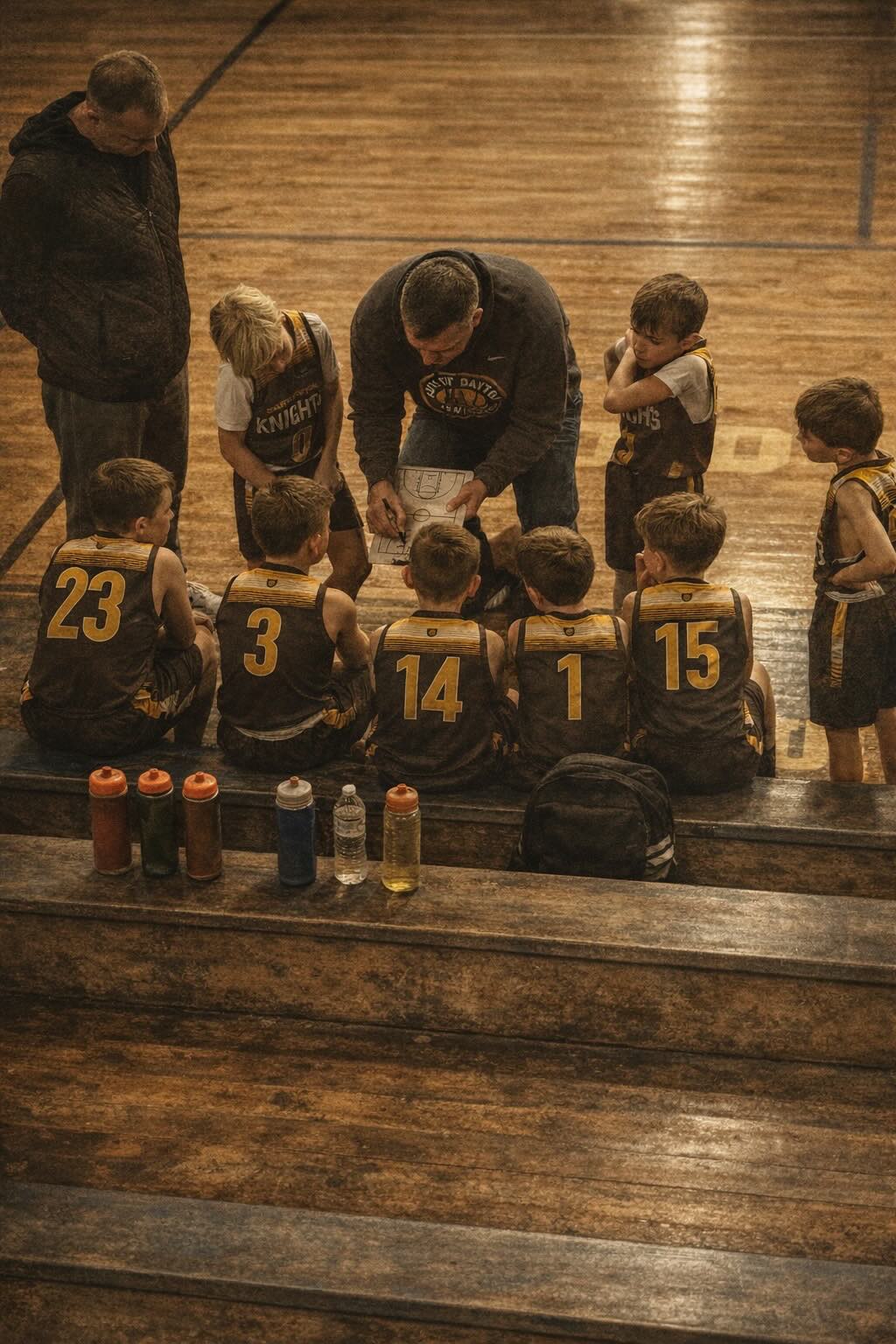
The Framework Preview
Every practice. Every season. Every player. Three measurements.
That's the whole framework. This goal of this site is for coaches to get a real idea of what this book is about before they ever buy it. So here it is in plain language.
EFFORT
Are they bringing it? Did they try harder today than yesterday? The gym cannot teach much if effort stays optional.
JOY
Do they love being in this gym? Would they rather be here than anywhere else? Joy is not the opposite of hard work. It is what makes hard work stick.
GROWTH
Are they getting better? Can you show them what better looks like? Progress, not comparison, is the standard that keeps kids in the game.
The book shows untrained youth basketball coaches exactly how to install this framework from day one, before the first practice, inside every drill, and long after the final buzzer sounds.
What You'll Walk Away With
You'll be the kind of coach your players still talk about when they're thirty years old.
The structure is not abstract. It's intentional. The book moves from purpose, to practice, to lasting impact in language that belongs to the actual season in front of you.
1
Before the Whistle Blows
You build the philosophy.
You leave with your coaching purpose, a developmental map for grades 1-8, and a clear three-word framework before the first practice ever starts.
2
Inside the Lines
You build the practice.
You learn how to design practice sessions that actually teach, how to coach individual players, and how to establish culture before the first game shows you where the gaps are.
3
Beyond the Buzzer
You build the lasting impact.
You learn how to lead the parents on your sideline, make the life lessons stick, and sustain yourself as a coach across the grind of a season, and the ones to come.
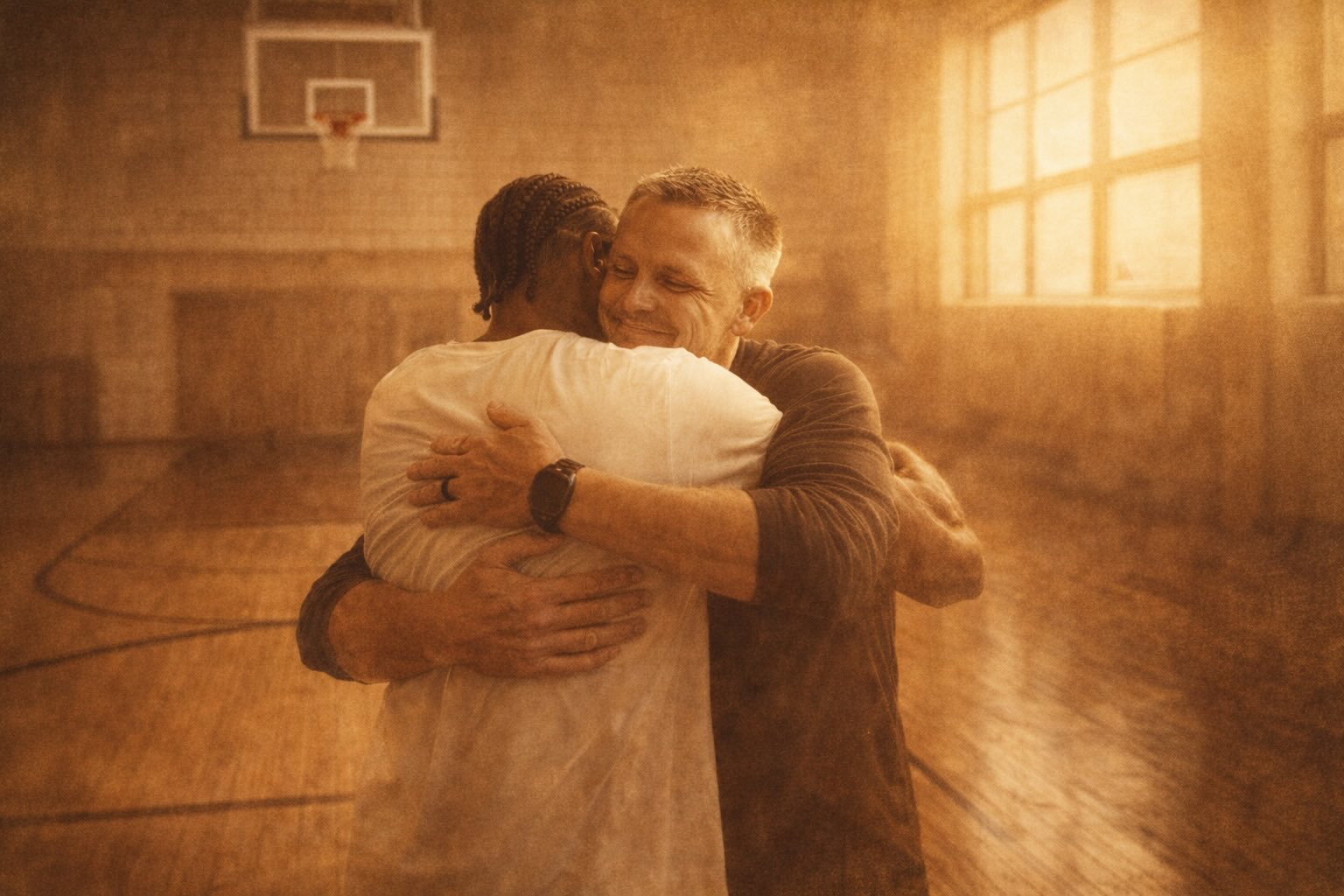
What's it about?
You are not coaching basketball.
You are coaching people.
Basketball is just the gym where it happens.
Who This Book Is For
No fake proof. No borrowed prestige. Just the people this book was built for.
Written for the coach standing right here.
We're empowering the real voices in real gyms with actionable insights.
The dad coaching a 4th-grade team after a long day of work.
He is not looking for a celebrity endorsement. He wants to know someone finally built a framework for the exact pressure and chaos he feels every week.
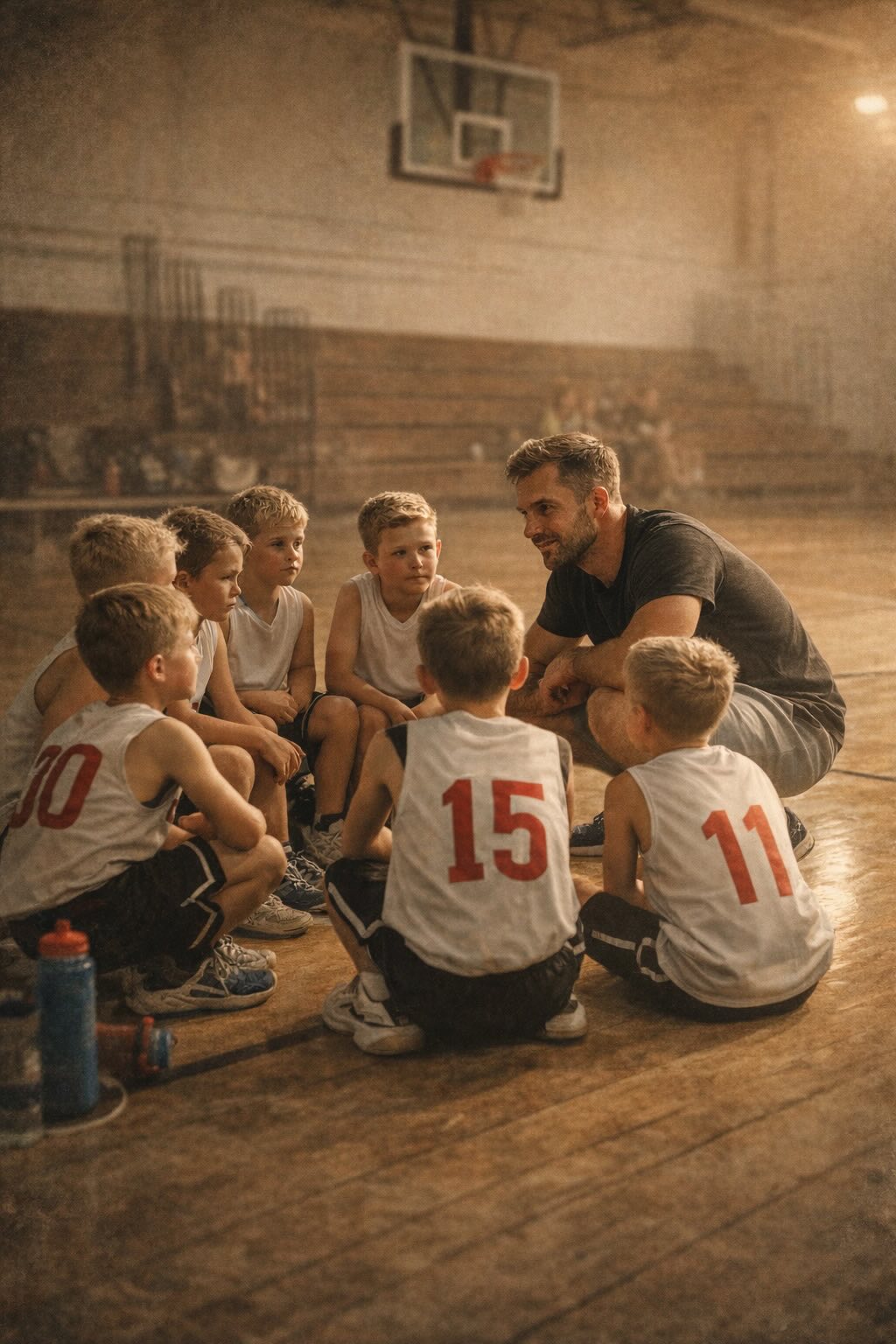
The leader trying to give every coach the same language.
Not more slogans. Not more binder pages. A framework simple enough to teach across an organization and serious enough to shape a whole season.
The family that can feel when a team culture changes.
They notice when practices get steadier, when kids stay in the game longer, and when the gym becomes a place of confidence instead of confusion.
From the Introduction:
The most important coaching in the game is happening where no one is watching. Before you teach a press break, before you diagram a baseline out-of-bounds play, you're already teaching them what effort means, what joy feels like, and what growth requires. The gym teaches more than the game. The question is whether the person holding the clipboard knows that yet.
Let's get started.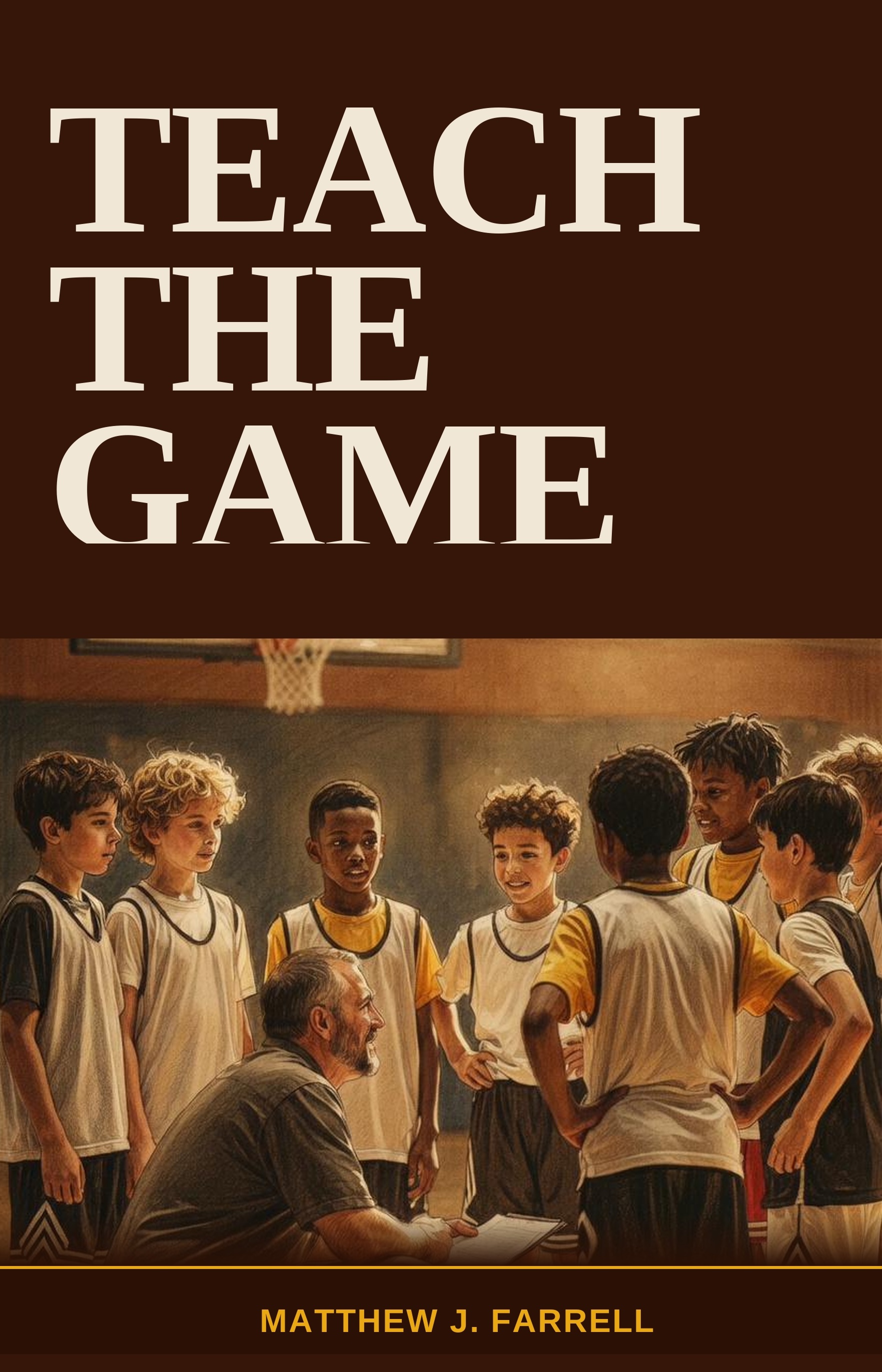
Why This Book Exists
1 in 3
Fewer than one in three youth sports coaches has ever received training in evidence-based development
practices. Among coaches who do get trained, 93% feel more confident supporting their athletes.
That gap is what this book closes.
Teach
The
Game
The gym teaches more than the game. But only if the person holding the clipboard knows what they're actually there to teach.
Coming Soon - Summer 2026